Restoration by Fire: Prescribed Burn FAQs
Huron Pines plans to conduct a prescribed burn in spring 2026 at Emily Min Hunt Preserve as part of our ongoing work to restore its rare limestone bedrock glade ecosystem.
Glades are open areas covered by grasses and wildflowers and are naturally maintained by fire. While the preserve’s rocky terrain might not seem special in this part of Presque Isle County, limestone glades are a globally rare habitat and our goal as land stewards is to make it the best example it can be. Since 2019 we’ve been removing invasive shrubs and replanting with native wildflower seed, and fire is the next step in the restoration process.
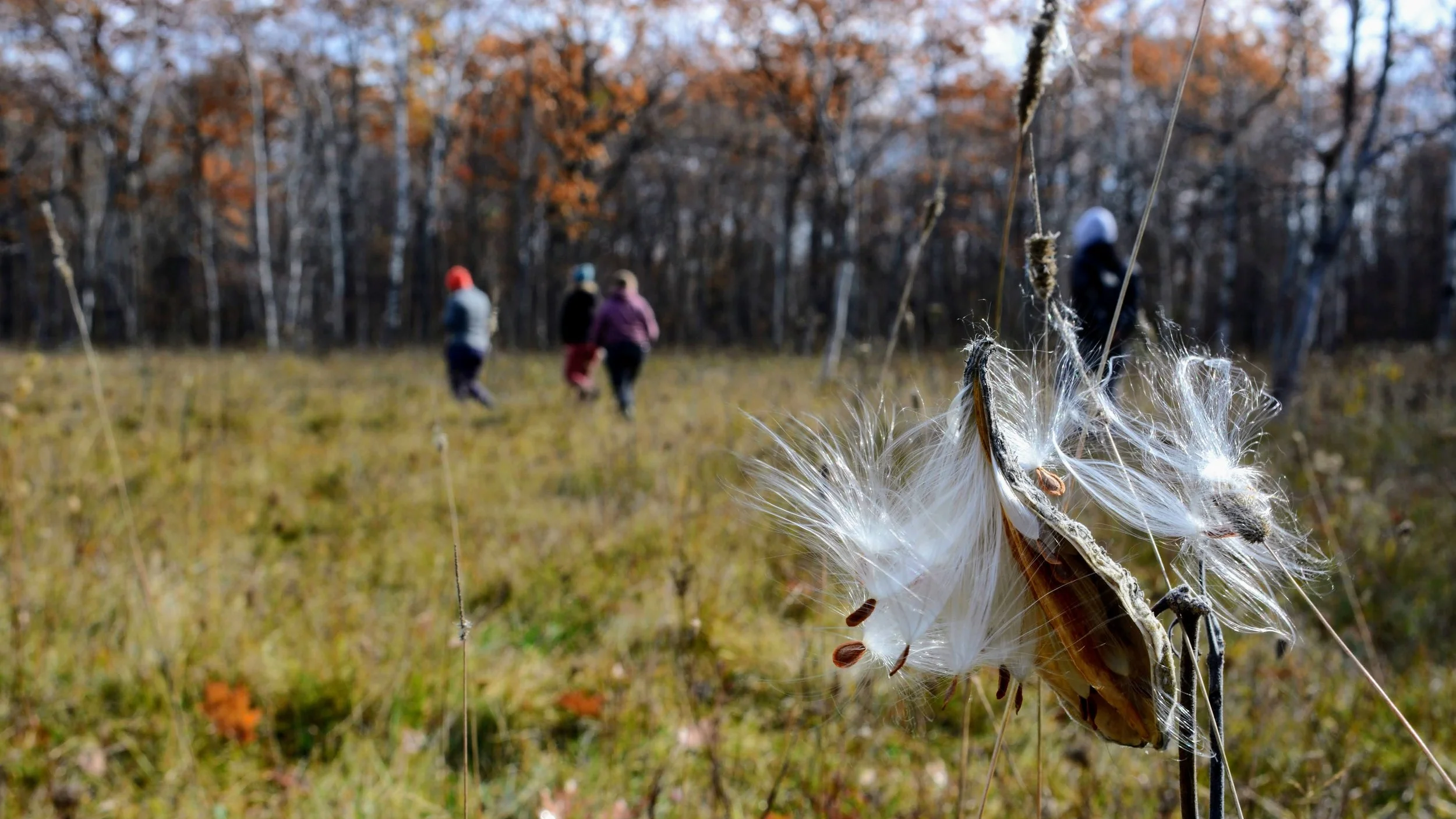
A milkweed seed pod opens at the edge of a limestone glade at Emily Min Hunt Preserve. This habitat serves all kinds of native wildlife and is naturally maintained by occasional fire.
Huron Pines is prepared to burn with staff who are certified and equipped to conduct prescribed fire and a network of trained professionals to assist. Our burn plan has been reviewed and permitted by the proper agencies, and the burn will occur only under approved weather and safety conditions. An exact date is subject to weather.
We’ll be documenting the whole operation and we look forward to showing you the process, the immediate results and the long-term benefits of returning fire to Emily Min Hunt Preserve.
What is a prescribed burn?
A prescribed burn is a fire that’s intentionally set, in controlled conditions, to accomplish one or more landscape restoration goals. These low-intensity ground fires burn in a designated area over the course of several hours to a day, with a trained crew and firefighting equipment on site from start to finish.
Fire is a natural part of Michigan’s native landscapes. Many species of plants and animals rely on fire disturbance to reproduce and thrive, including the notable relationship between jack pines and the Kirtland’s warbler. While wildfires can be destructive, prescribed burns are a powerful tool for restoring landscapes, managing invasive species and reducing dry fuels like dead trees and branches so future wildfires are less severe. When applied under the right conditions, fire can help solve some of the biggest problems we face as land stewards.
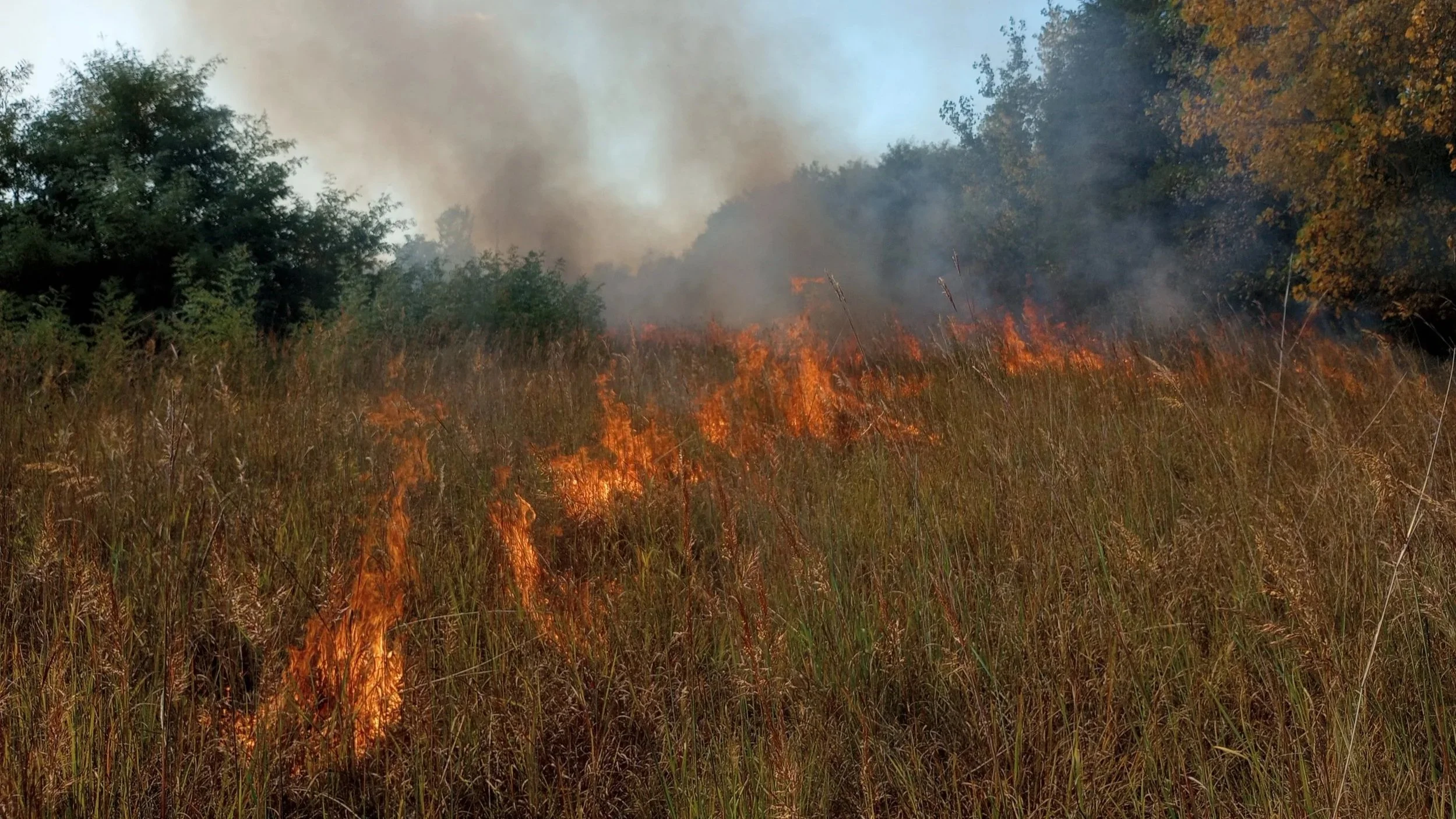
A prescribed fire moves across a Michigan grassland habitat.
How can fire benefit a landscape?
Fire is a natural process with a vital role in ecosystems where plants and animals are adapted to fire disturbance. Burning clears away dead material, exposes soil to sunlight and adds nutrients into it, allowing seeds to germinate and new growth to occur. Small, frequent fires on a landscape create a mosaic of habitats — like a patchwork quilt — ensuring healthy and diverse ecosystems for all species.
For humans like us at Huron Pines, prescribed burns can be an effective tool for managing invasive species, stimulating new growth of native plants and restoring natural habitats on the lands we care for while reducing the risk and severity of future wildfires. This is particularly true for fire-dependent ecosystems.
What is a fire-dependent ecosystem?
Some plants and animals rely on wildfire to complete their life cycle. Together they make up what’s called a fire-dependent ecosystem where frequent fires are an important part of a healthy habitat.
As one example, the cones of jack pine trees open to release their seeds in the intense heat of a wildfire. Bare and blackened soils make germination easier, allowing a new generation of trees to come up all at once. The famed Kirtland’s warbler nests only in these young jack pine stands so areas which burned a decade ago will be prime nesting (and birding) habitat for this beloved songbird this summer.
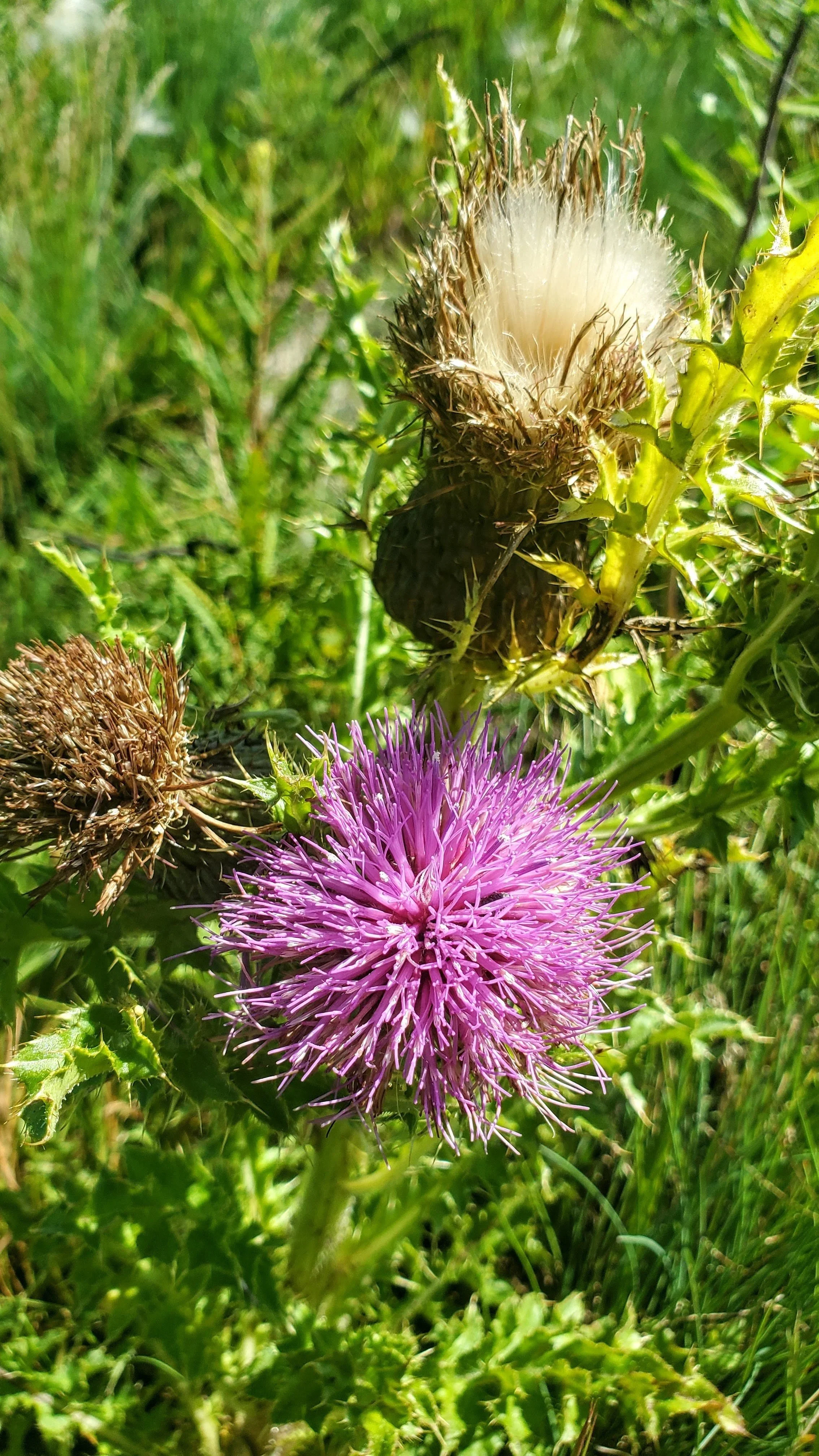
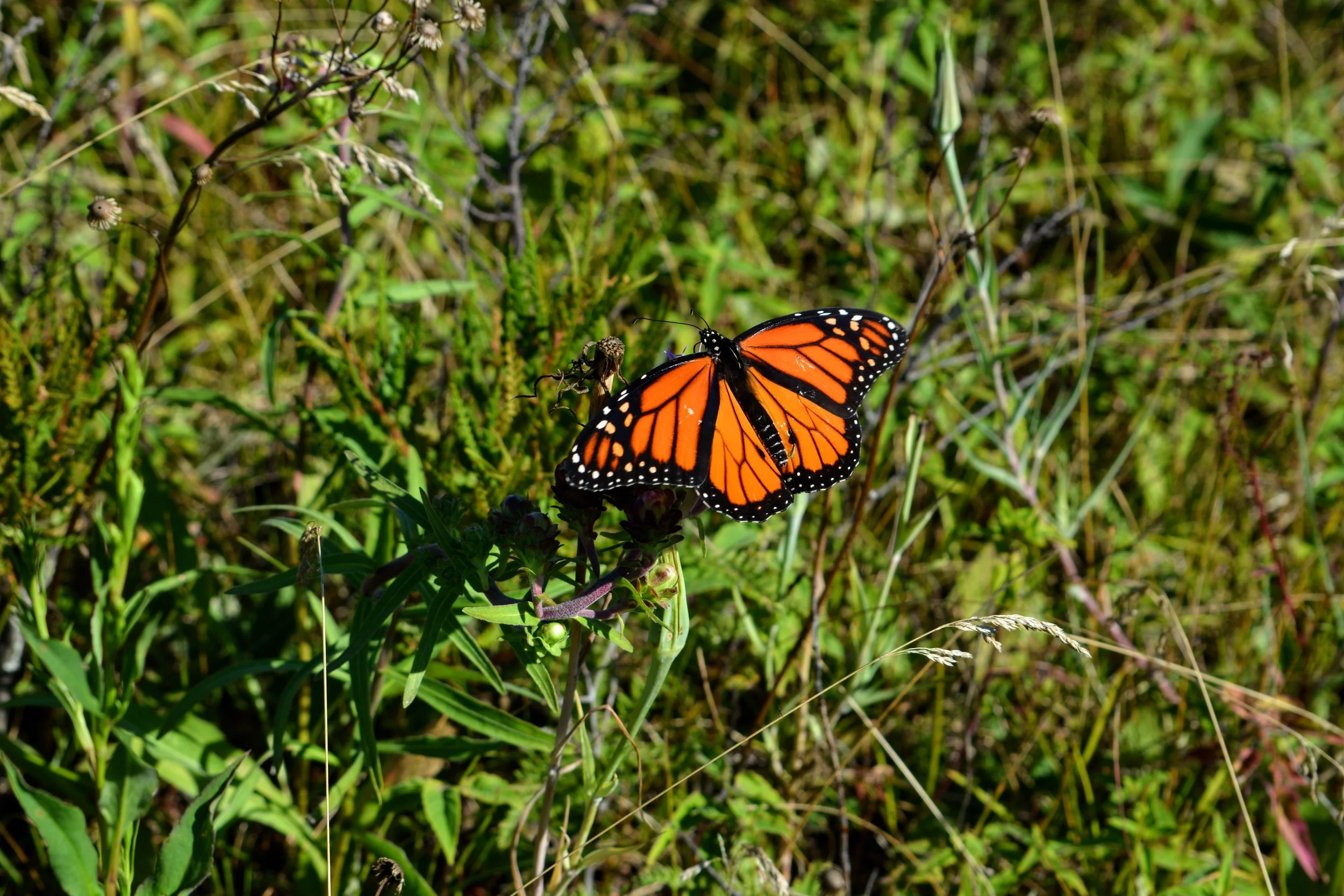
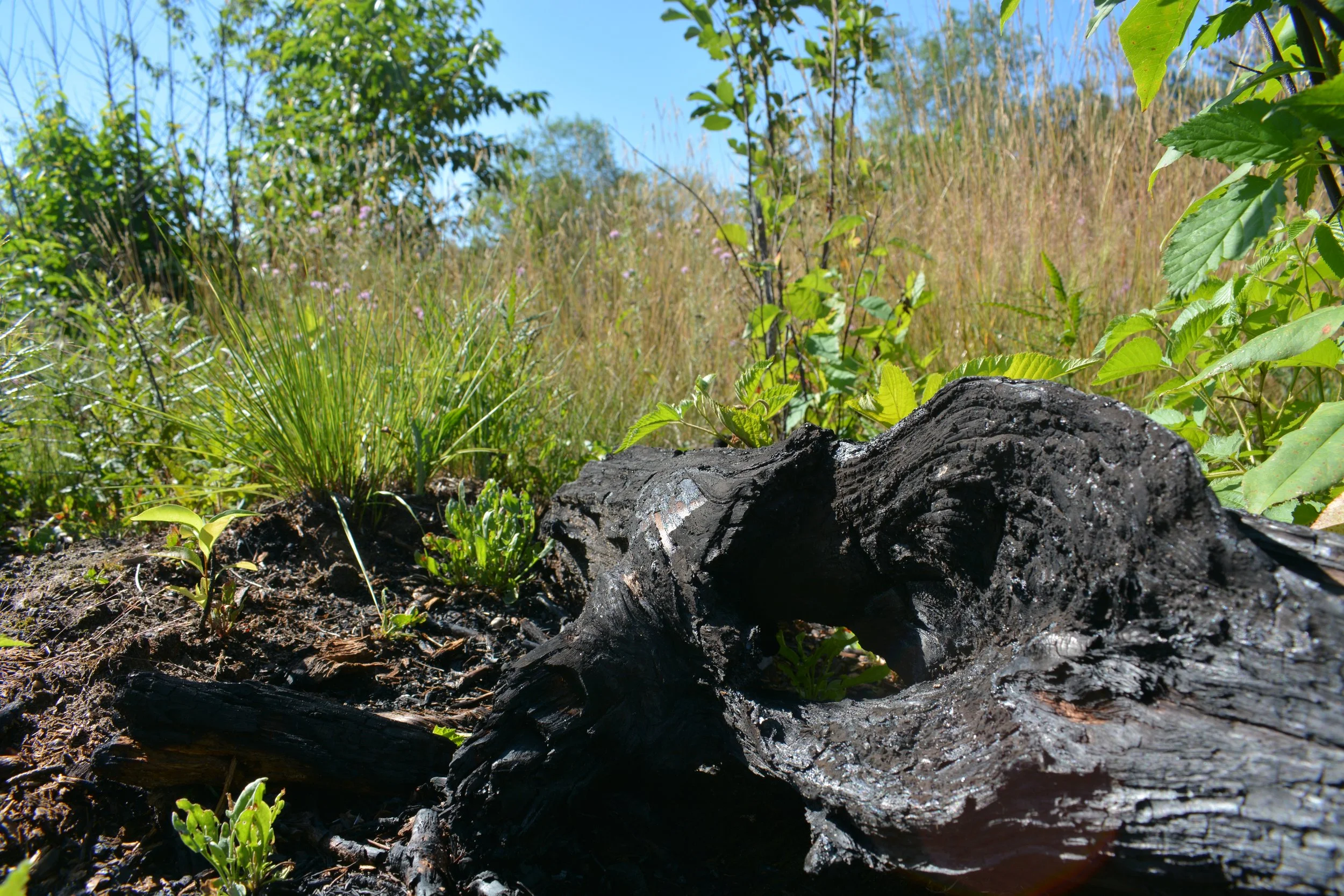
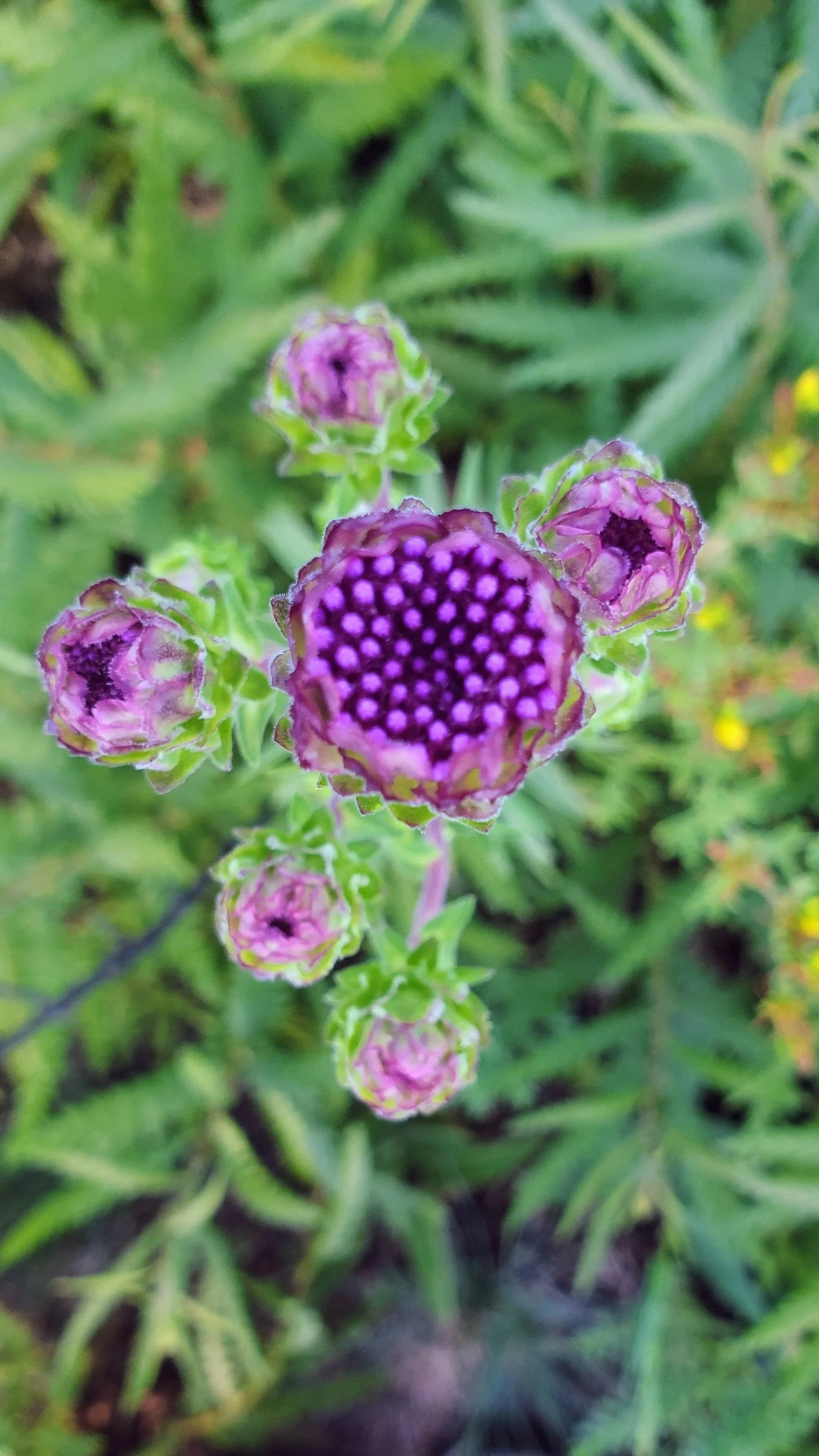
Oak trees, blazing star wildflowers and the rare Hill’s thistle all rely on wildfire to maintain their open grassland habitats. Wood-boring beetles make their homes in the charred trunks of dead trees. All these species together compose the jack pine prairie, Michigan’s once-dominant ecosystem.
The suppression of wildfire over the last century has shrunk this vibrant habitat to a fraction of its former range. Huron Pines is working alongside conservation partners of the Northern Pine Plains Partnership to restore it with seeding, planting and prescribed fire. You can read more about that project here.
Are prescribed burns safe?
The professionals who conduct prescribed burns are trained and equipped to burn safely and protect life and property while restoring wild habitats with fire.
Fire practitioners are certified in fire behavior, tools, communication and physical fitness. Crewmembers wear protective gear, stay in constant communication and have established evacuation routes. Prescribed burns only happen under approved weather conditions, and burn plans are reviewed and permitted by authorities to ensure the safety of the crew and neighboring properties. Local fire departments are on standby the day of a burn.
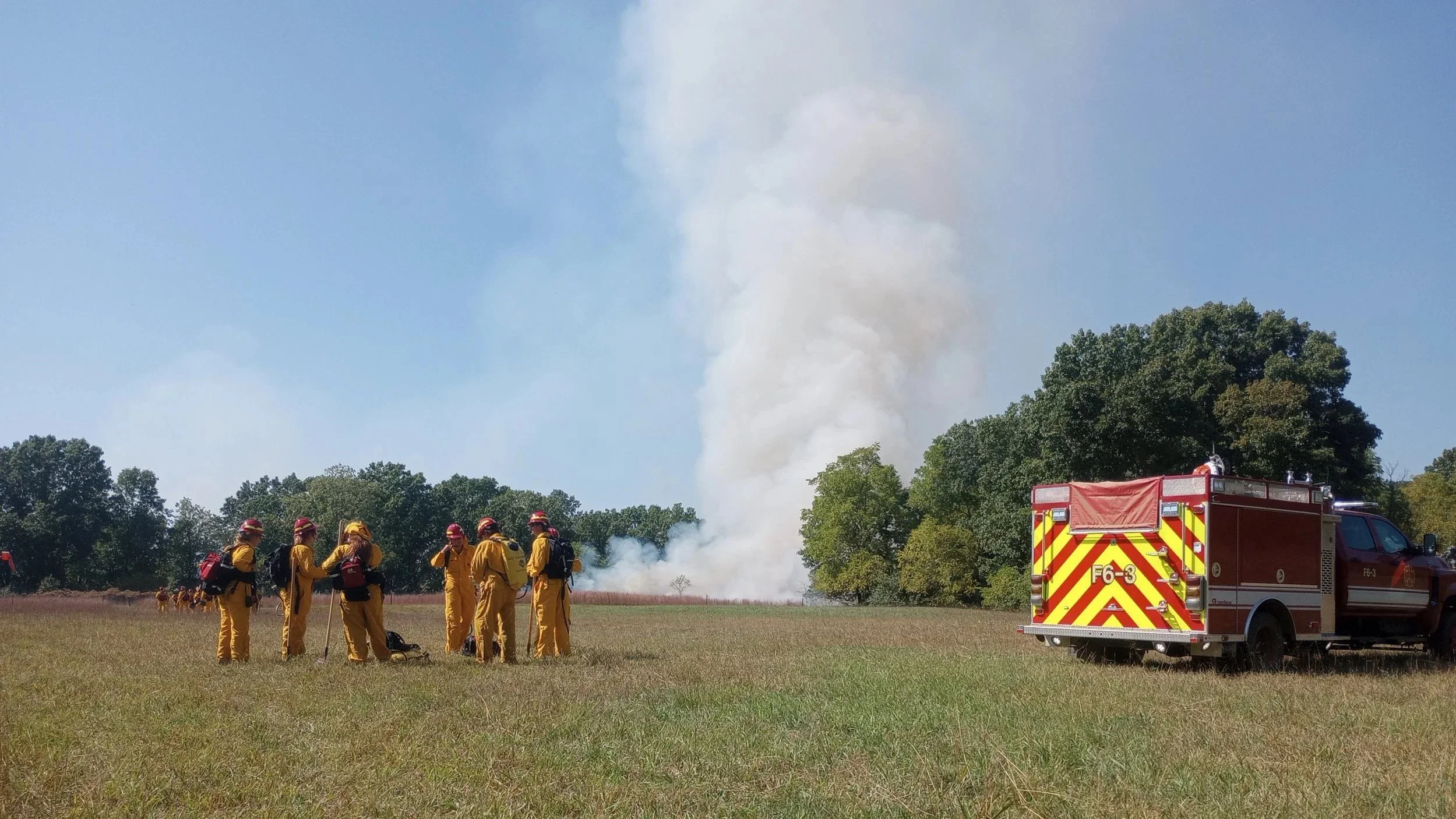
A burn crew and pump truck at a prescribed burn in Michigan
Before a burn, fire breaks are made along the perimeter by cutting or back-burning vegetation down to bare soil to prevent fire from spreading outside the prescribed area. After a burn, crews “mop up” hot spots with hand tools and water. Only after all fires are completely out will the crew call it a day.
This approach, developed over decades by state, federal and conservation agencies, ensures prescribed fire is a safe and effective tool for land management.