
Active Project
Welcome to the Mason Tract
Managing Invasive Species to Protect Peak Wilderness Along Northern Michigan’s Famed AuSable River
“This is a special place for the community. We know lots of people recreate here and we want to preserve all its natural character.” - Shelby Bauer, Senior Conservation Coordinator
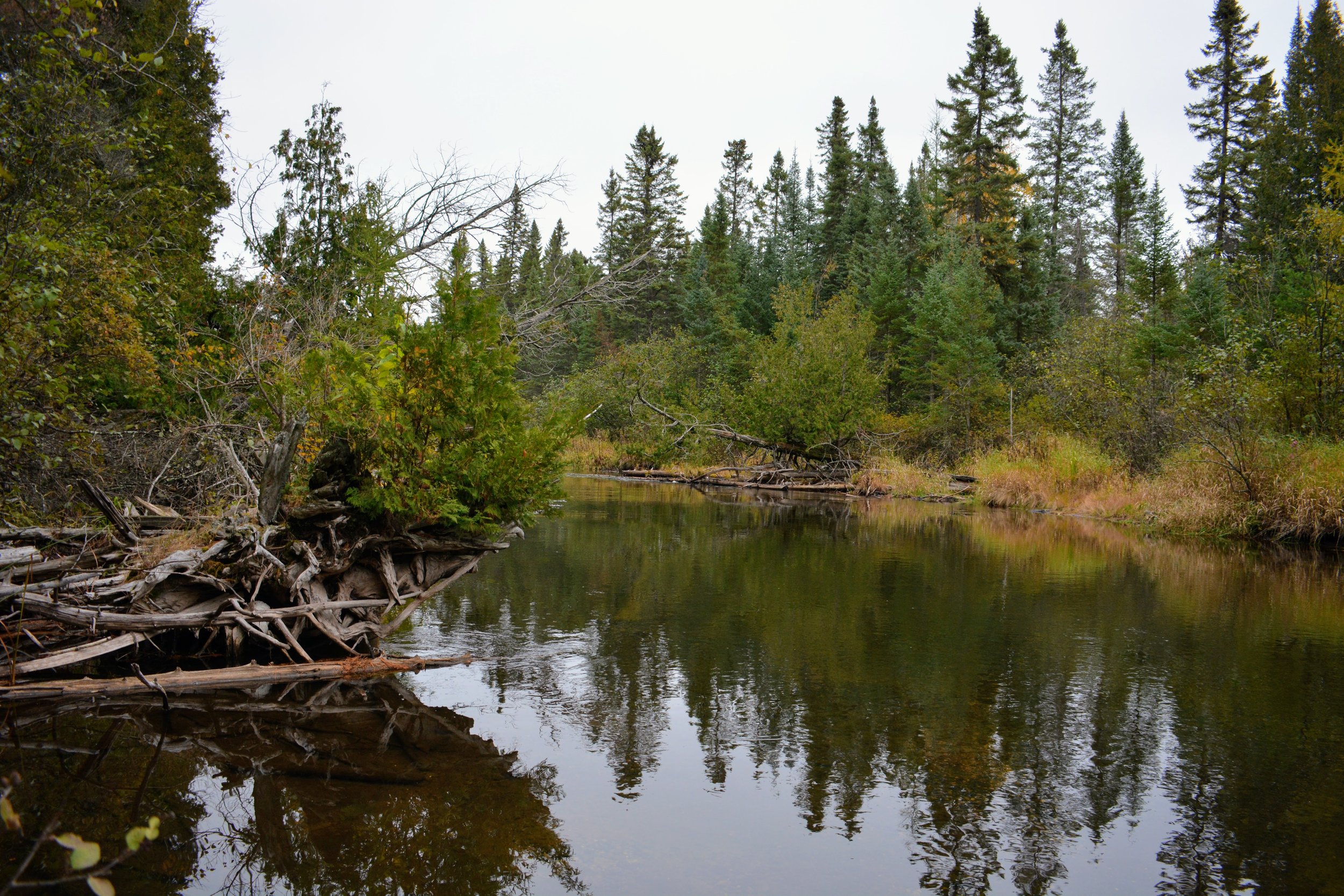
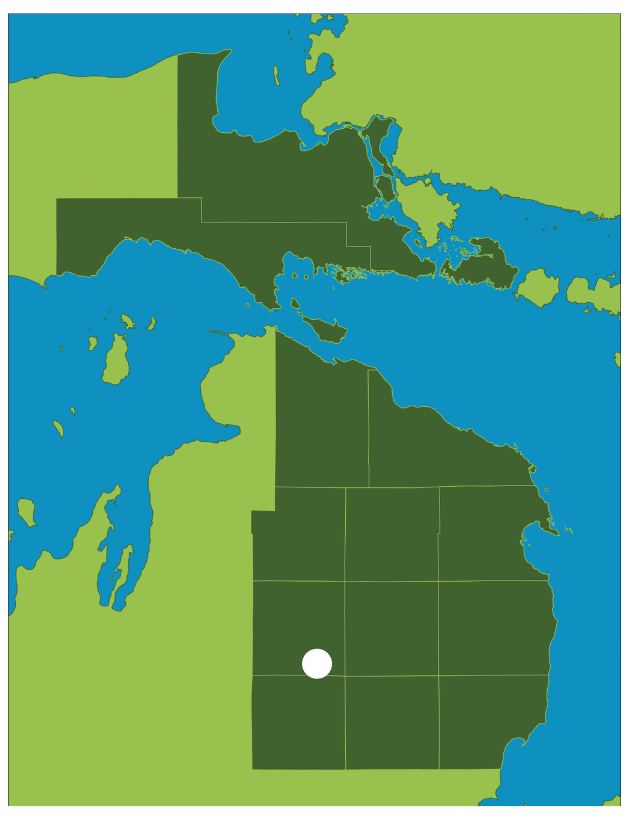
Welcome to the Mason Tract, a specially-designated state forest area encompassing 4,500 acres along the South Branch AuSable River in the heart of the northern Lower Peninsula. Just as this stretch of the AuSable is renowned among anglers as a world-class brook and brown trout fishery, the Mason Tract Pathway is an iconic destination for hikers who seek solitude and adventure along its wild and wandering trails.
Huron Pines has been working over the last decade to protect and restore this special part of Northern Michigan for wildlife habitat and low-impact recreation by managing invasive species which threaten this sensitive ecosystem. Our work began in 2016 when a Huron Pines AmeriCorps member serving with the Michigan Department of Natural Resources’ Grayling Field Office led removals of baby’s breath, an invasive species, near Canoe Harbor State Forest Campground, a popular jumping-off point for users of the 8.7-mile pathway.
Restoration ramped up in 2022 when we secured funding for more robust efforts to cut and remove invasive Japanese barberry, a nonnative shrub whose red berries are eaten and carried away by wildlife, furthering its spread and making management challenging. Left unchecked, barberry can quickly spread throughout the forest understory, damaging habitat for rabbits and grouse while threatening the riparian buffer that’s vital for maintaining the water quality of the AuSable River. Cutting and removing these invasive shrubs allows important native ones to return and grow. To bolster our impact, we replant treated areas with wild raisin and black chokeberry shrubs, providing essential forage for wildlife while rebuilding the river’s protective buffer.
This project is part of a broad and ongoing effort to protect the AuSable River Watershed from invasive species and maintain the wild and scenic character enjoyed by recreational users. We plan to scale up our work in the Mason Tract with volunteer workdays, continued monitoring of treated and replanted areas, and extending our efforts to US Forest Service lands on the opposite side of the river to further prevent the spread of invasive species through the river corridor.
This work is supported by the Michigan Department of Natural Resources’ Grayling Field Office, U.S. Forest Service, National Fish and Wildlife Foundation’s Sustain our Great Lakes program and the Michigan Invasive Species Grant Program.
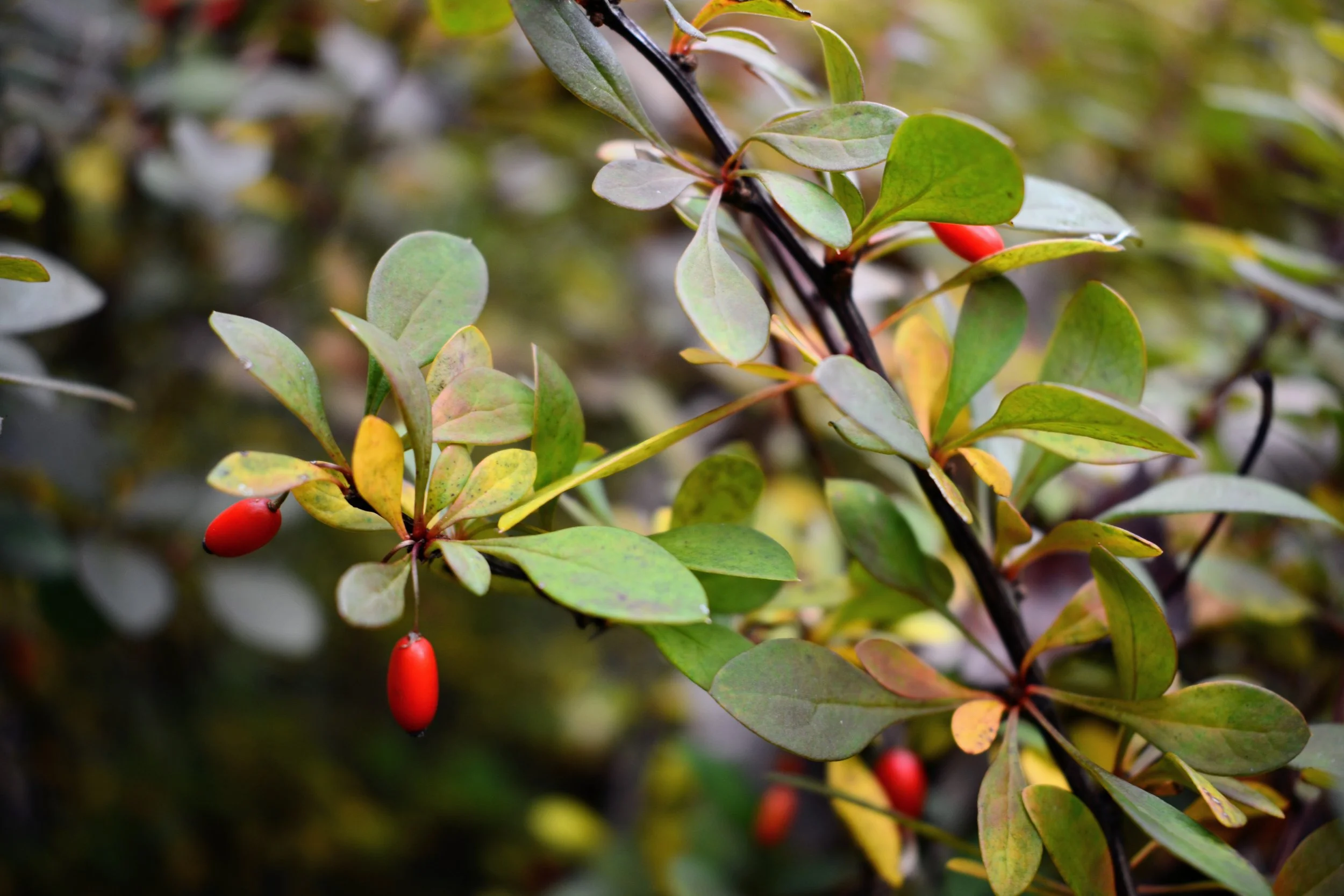
Japanese barberry growing in the Mason Tract, a 4,500-acre state wilderness along the AuSable River
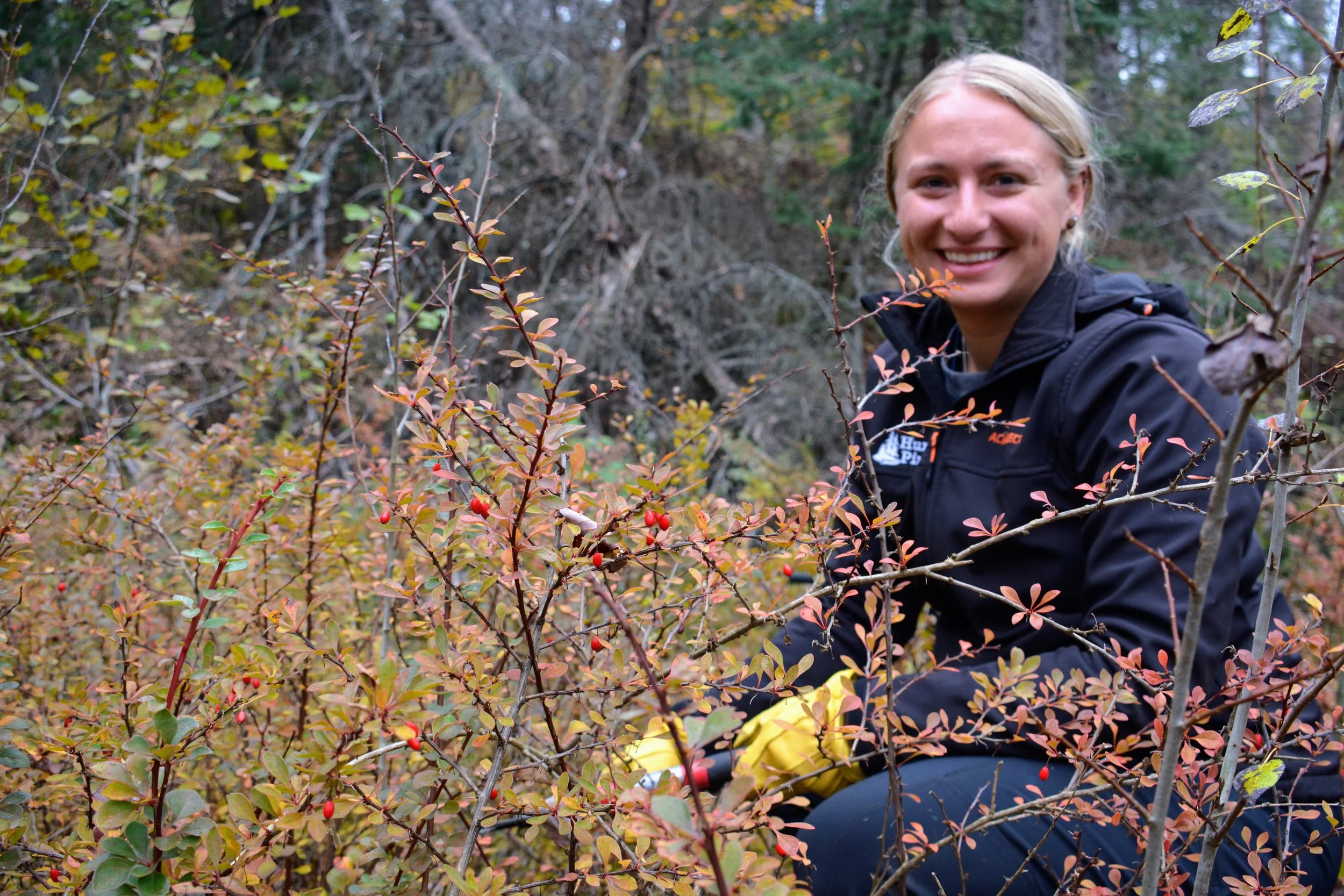
Restoration Specialist Abby Macek cuts invasive barberry along the Mason Tract Pathway.