Huron Pines, Partners Collaborate on Landscape Restoration at Jack Pine Research Symposium
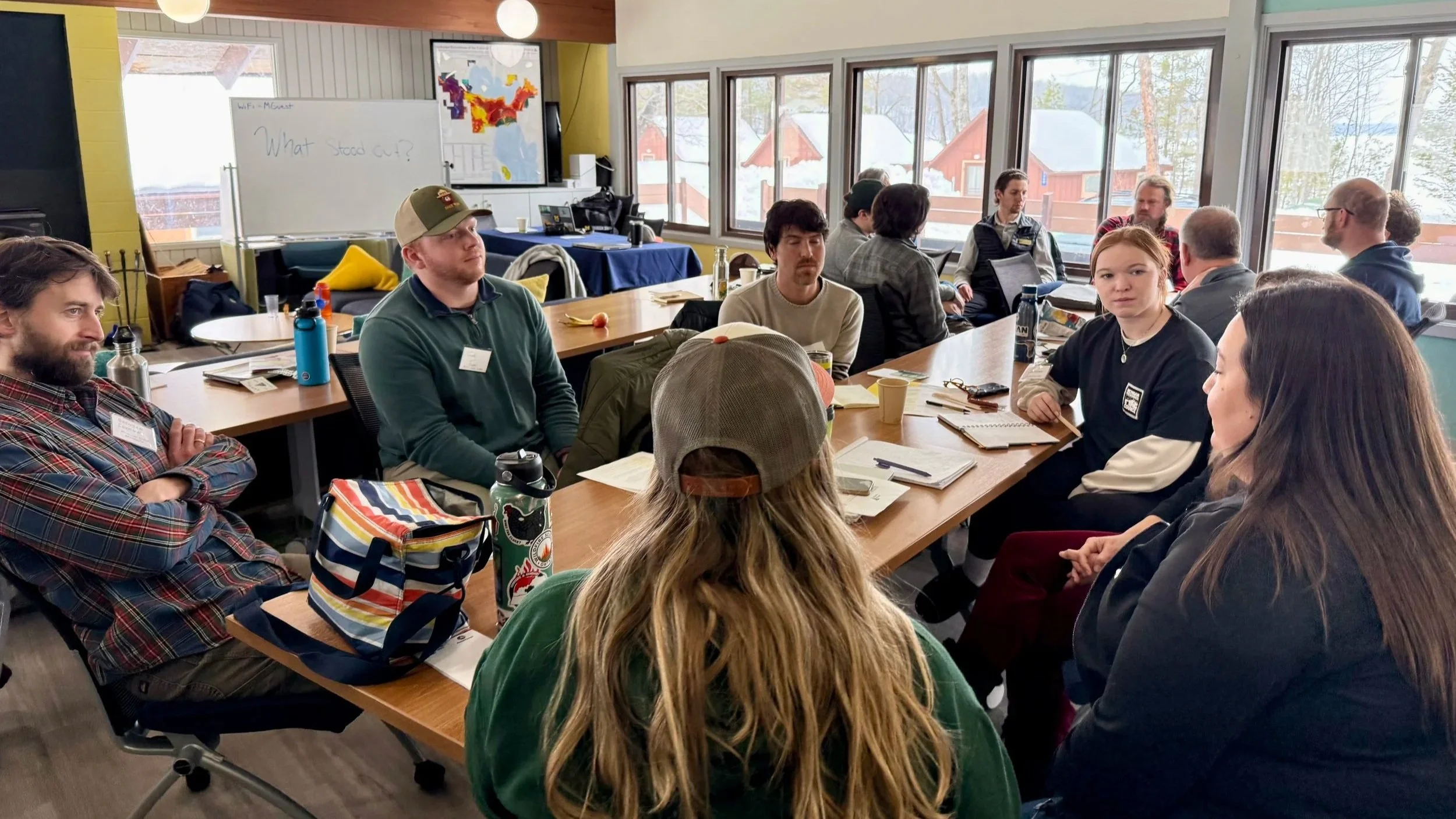
Huron Pines gathered with 40 fellow researchers, land managers and conservationists for the Jack Pine Research Symposium, a two-day retreat in February to coordinate future restoration efforts of Michigan’s once-dominant grasslands. Held at the University of Michigan Biological Station on the shore of Douglas Lake in Pellston, the conference was an opportunity for experts from across the state to strengthen their collaborative approach to restoring jack-pine prairies for the benefit of all its native species.
Pine barrens covered large portions of the northern Lower Peninsula after the last Ice Age ended some 11,000 years ago. Human activities like land development, logging, the suppression of wildfire and the introduction of invasive species have shrunk and fragmented this ecosystem to a tiny fraction of its former glory. As their habitats disappeared, species followed suit, including the near extinction of Kirtland’s warbler which nests in this region.
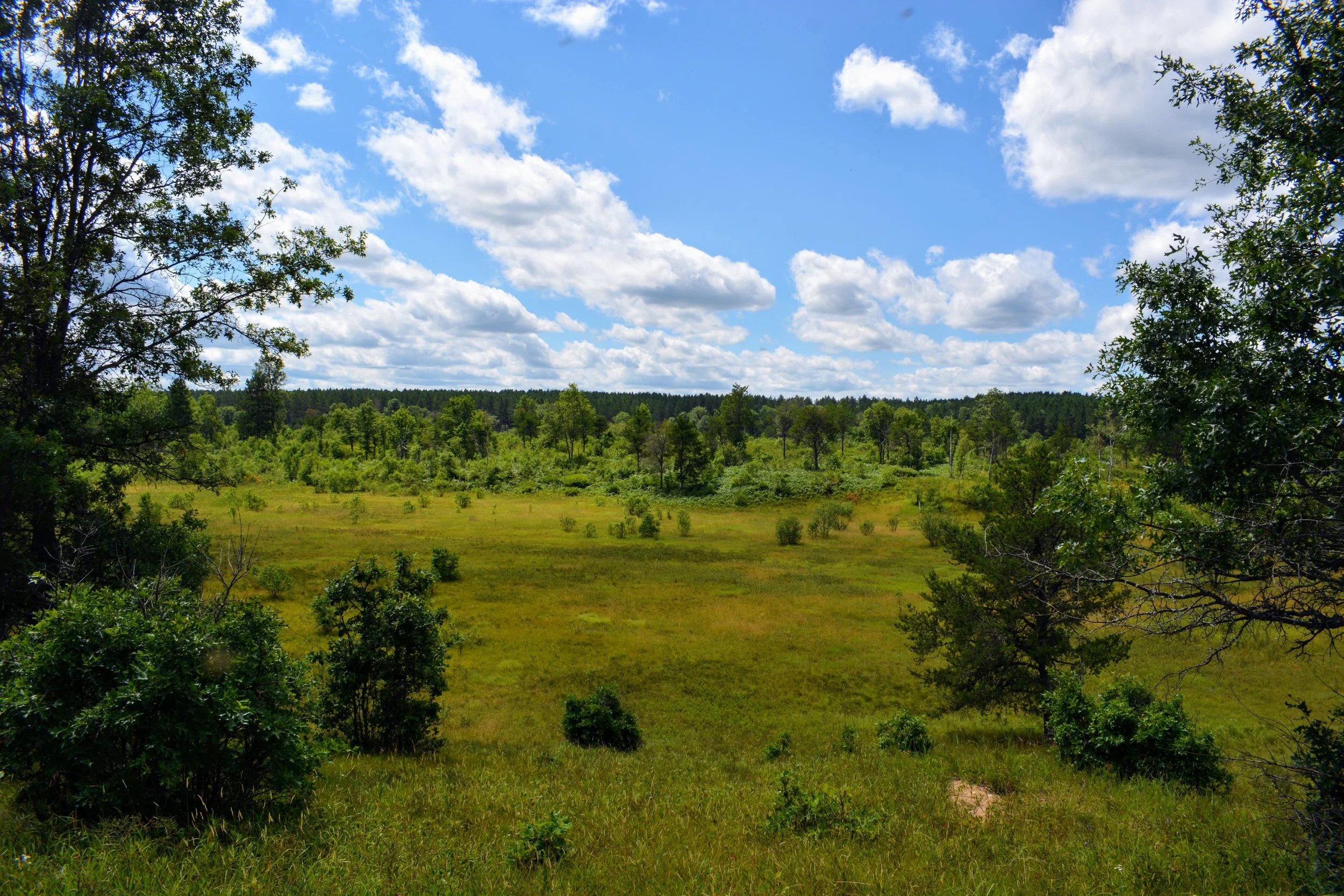
A pine barrens landscape near Mio
The Northern Pine Plains Partnership aims to restore this ecosystem in a more cohesive way. This includes using prescribed fire, native plant propagation and timber management, particularly in areas where different public land ownerships meet, to achieve the greatest impact possible. Bryant Eddy, Habitat Manager for Huron Pines, is drafting the conservation plan for the Northern Pine Plains Partnership, incorporating symposium insights and aiming for co-management to protect jack pines and their neighbors.
We encourage you to read the full account of the symposium at the link below.
Read more: Jack Pine Research Symposium Opens Door to New Collaboration on Ecosystem Management